

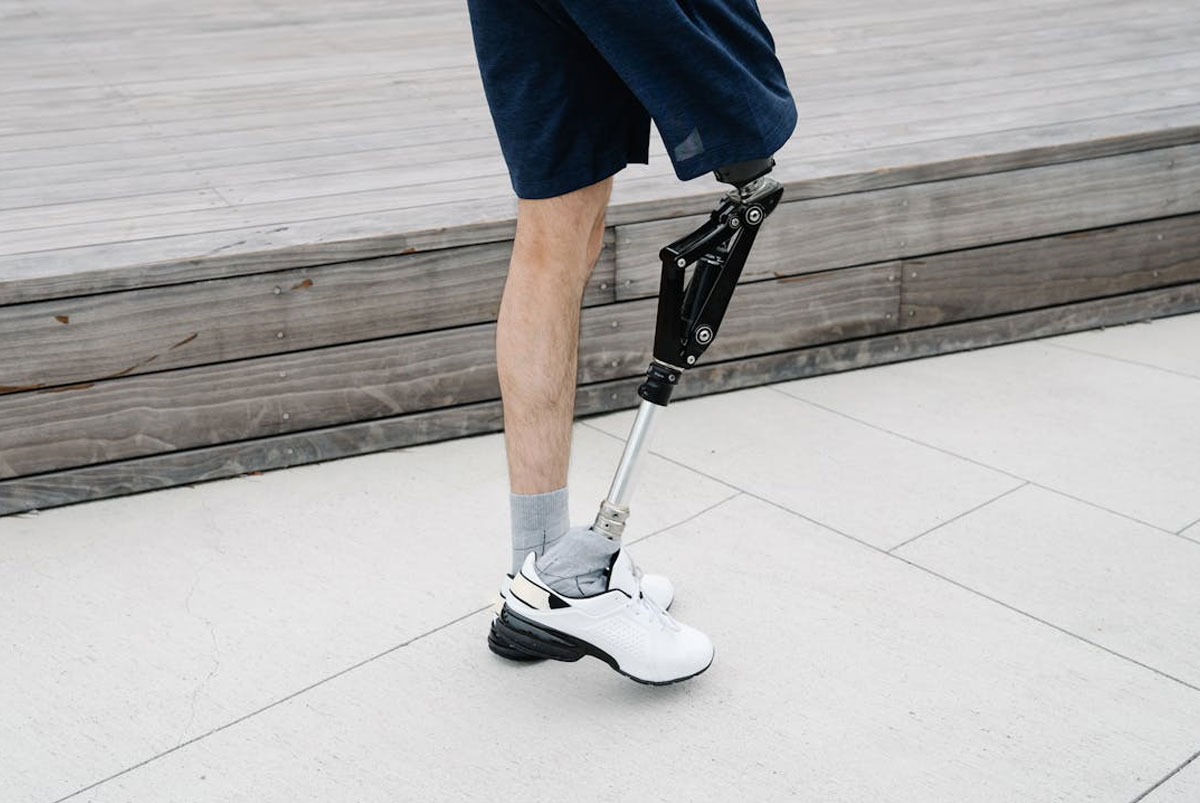
No Win, No Fee Amputation Claims
Specialist Serious Injury Solicitors
Free Case Review and Clear Next Steps
Losing a limb is a devastating injury with lifelong consequences. If your amputation occurred because of another party’s actions or failure to act, you may have the right to pursue compensation.
What Is an Amputation Compensation Claim?
An amputation compensation claim is a legal process that allows you to seek financial redress when limb loss is caused by negligence. This includes traumatic amputations following accidents and surgical amputations where earlier treatment failures played a role.
Claims can involve the loss of:
- An arm, hand, or fingers
- A leg, foot, or toes
- Multiple limbs or partial limb loss
Compensation is designed to account for far more than the initial injury. It reflects the long-term physical limitations, emotional impact, career disruption, and the practical costs of adapting to life after amputation.
Common circumstances leading to amputation claims include:
- Collisions involving cars, motorcycles, or pedestrians
- Industrial or factory accidents
- Delayed diagnosis or infection mismanagement
- Crush injuries and severe fractures
- Unsafe premises or defective equipment
Why People Claim After an Amputation
An amputation affects how you move, work, socialise, and live day to day. For many people, the biggest challenge comes after hospital treatment, when the long-term realities set in.
A successful claim can help you:
- Pay for advanced prosthetics and ongoing adjustments
- Access specialist rehabilitation and physiotherapy
- Compensate for reduced or lost earning potential
- Fund home, vehicle, and workplace adaptations
- Secure professional care or support where needed
“Compensation is about giving you the resources to rebuild independence and plan for the future with confidence.”
No Win No Fee Amputation Injury Claims
Our serious injury solicitors can act under a Conditional Fee Agreement (No Win, No Fee) in appropriate cases. This means there are no upfront legal fees, and our fees are payable only if your claim succeeds, in accordance with the terms of the agreement.
We will explain all funding options clearly and transparently before you choose to proceed. Use our Request Callback form to discuss your options.
Get a no-obligation callback from an Amputation Claims Specialist
How much compensation could you receive for an amputation injury?
*Figures are estimates based on official UK sources including the Judicial College Guidelines (JCG), Ogden Tables and related government frameworks such as CICA and NHS Resolution. Actual compensation amounts vary depending on your recovery, financial losses and long-term impact.
No two amputation claims are the same.
Every case depends on how the injury occurred, the extent of limb loss and how your life has been affected. We aim to explain the process clearly so you can make informed decisions at your own pace.
Yes. You may be able to claim compensation if your amputation was caused by another party’s negligence. This could involve a road traffic accident, a workplace incident, unsafe premises or medical treatment that fell below acceptable standards.
You do not need to know for certain who was at fault to start. A solicitor can review the circumstances and advise whether a valid claim exists.
Amputation compensation is calculated based on the overall impact the injury has on your life, rather than the injury alone.
Key factors include:
- Which limb was lost and at what level
- Whether one or multiple limbs are affected
- Your age, occupation, and future earning capacity
- The success and ongoing cost of prosthetics
- Long-term care, rehabilitation, and therapy needs
- Psychological effects such as anxiety or loss of confidence
Future costs often make up the largest part of higher value claims.
The timescale varies depending on the complexity of the case and the severity of the injury.
Straightforward cases may resolve within 12 to 18 months. More serious amputation claims often take longer, as it is important to understand long-term medical outcomes, prosthetic needs, and future care requirements before settling.
Interim payments can sometimes be secured to help with immediate costs while the claim is ongoing.
Evidence typically includes medical records confirming the amputation and its cause, along with specialist reports detailing long-term prognosis and rehabilitation needs.
Financial evidence may include:
- Proof of income and employment history
- Records of medical expenses and travel costs
- Estimates for prosthetics, care, and home adaptations
Your solicitor will guide you through what is needed and help gather the relevant evidence.
Most amputation claims are settled without going to court. Negotiations usually take place between solicitors once medical evidence and financial losses are fully assessed.
Court proceedings are generally a last resort and are only used if liability is disputed or a fair settlement cannot be reached. Even then, many cases settle before a final hearing.
Yes. Most amputation compensation claims are funded through a no win, no fee agreement. This means there are no upfront legal fees and nothing to pay if the claim is unsuccessful.
Claim Pathway is the trading name of Esquire Solicitors Ltd, a regulated law firm specialising in serious injury and negligence claims.
Our experienced solicitors provide expert legal advice and representation, helping individuals and families pursue compensation with clarity and confidence.
Useful Links
Adjusting to limb loss takes time, patience, and the right support. It is normal to face physical, emotional and practical challenges long after initial treatment ends.
Reaching out for specialist advice, peer support or rehabilitation services can make a real difference. The following UK organisations provide trusted information and assistance for people living with limb loss.
- Limbless Association
National support organisation offering advice, advocacy, and peer connections for amputees. - Blesma
Provides lifelong support for people affected by limb loss, including rehabilitation and wellbeing services. - NHS – Amputation and Limb Loss
Medical guidance covering treatment pathways, recovery, and prosthetic services. - NICE Guidelines: Rehabilitation After Major Trauma
Evidence-based guidance on long-term recovery and rehabilitation following serious injury.
Not Sure If You Can Make an Amputation Claim?
Check if you’re eligible to claim compensation within a few minutes.
Take the first step towards an amputation claim. There’s no obligation and no commitment from you, just a short form to get started.